
The Amulet Room
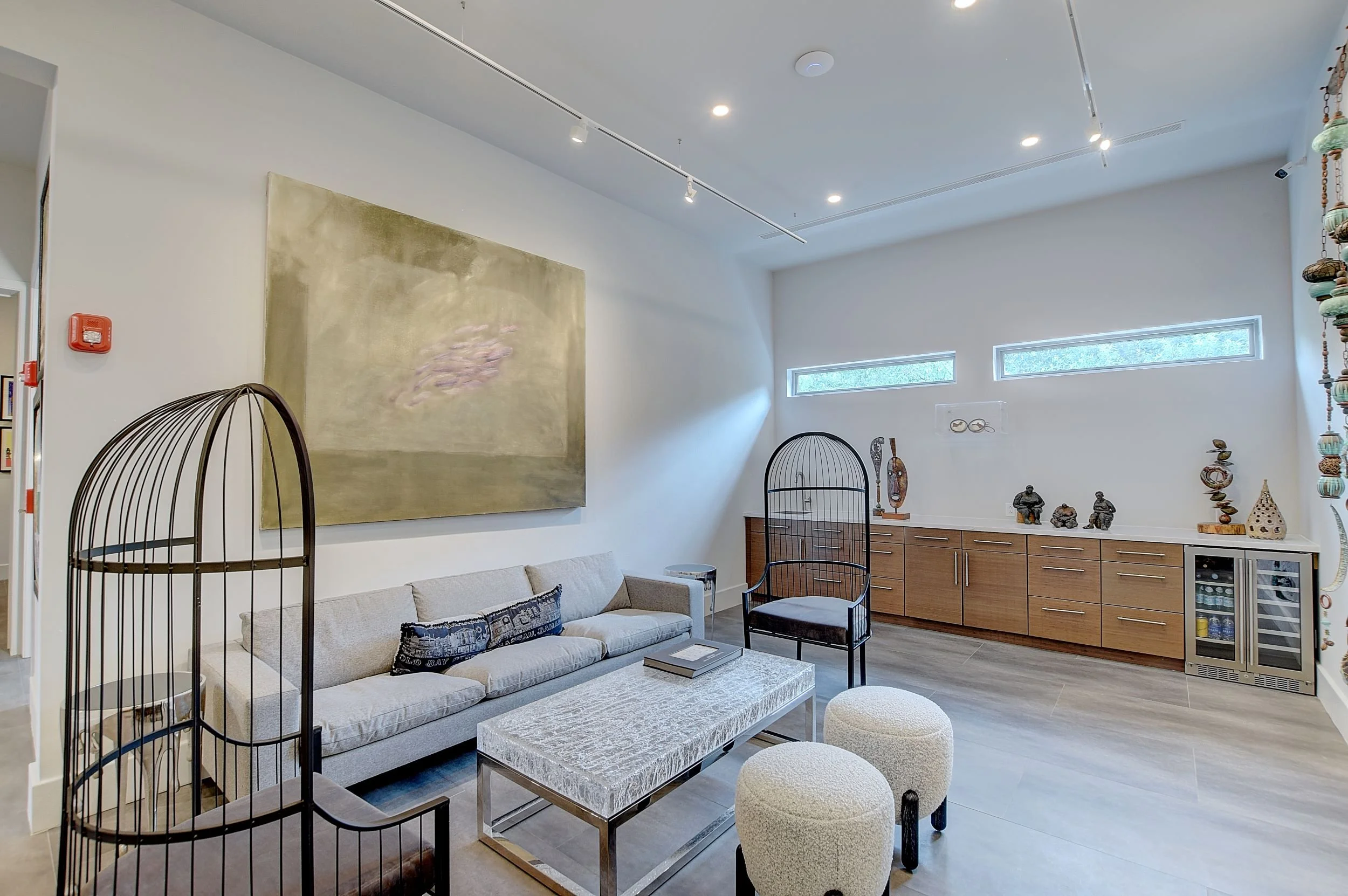
The Amulet Room brings together an eclectic group of artists whose practices span sculpture, painting, and mixed media, creating a dynamic dialogue between form and concept. From Saskia D’Aguilar’s monumental wall amulet grappling with the politics of migration and belonging, to Joann Behagg’s intimate clay figures capturing Bahamian womanhood, the works on display push viewers to consider both the personal and the political. Alongside them, Anina Major explores the policing of women’s bodies, while Tessa Whitehead’s surreal landscape maps her emotional world. John Cox adds another dimension with his mixed-media painting that transforms ordinary objects into meditation. Interwoven with these works are pieces by artists who blur the line between fine art and craft, including Morgan McKinney’s hand-carved wooden forms, Tyrone Ferguson’s forged metalworks, and John Beadle’s multifaceted practice, all of which expand the room into a space of material experimentation and storytelling. Together, these artists create an environment that resists categorization, where ceramics sit beside steel, wood speaks to paint, and found objects converse with canvas, resulting in a layered showcase of Bahamian creativity that honors heritage while embracing reinvention.
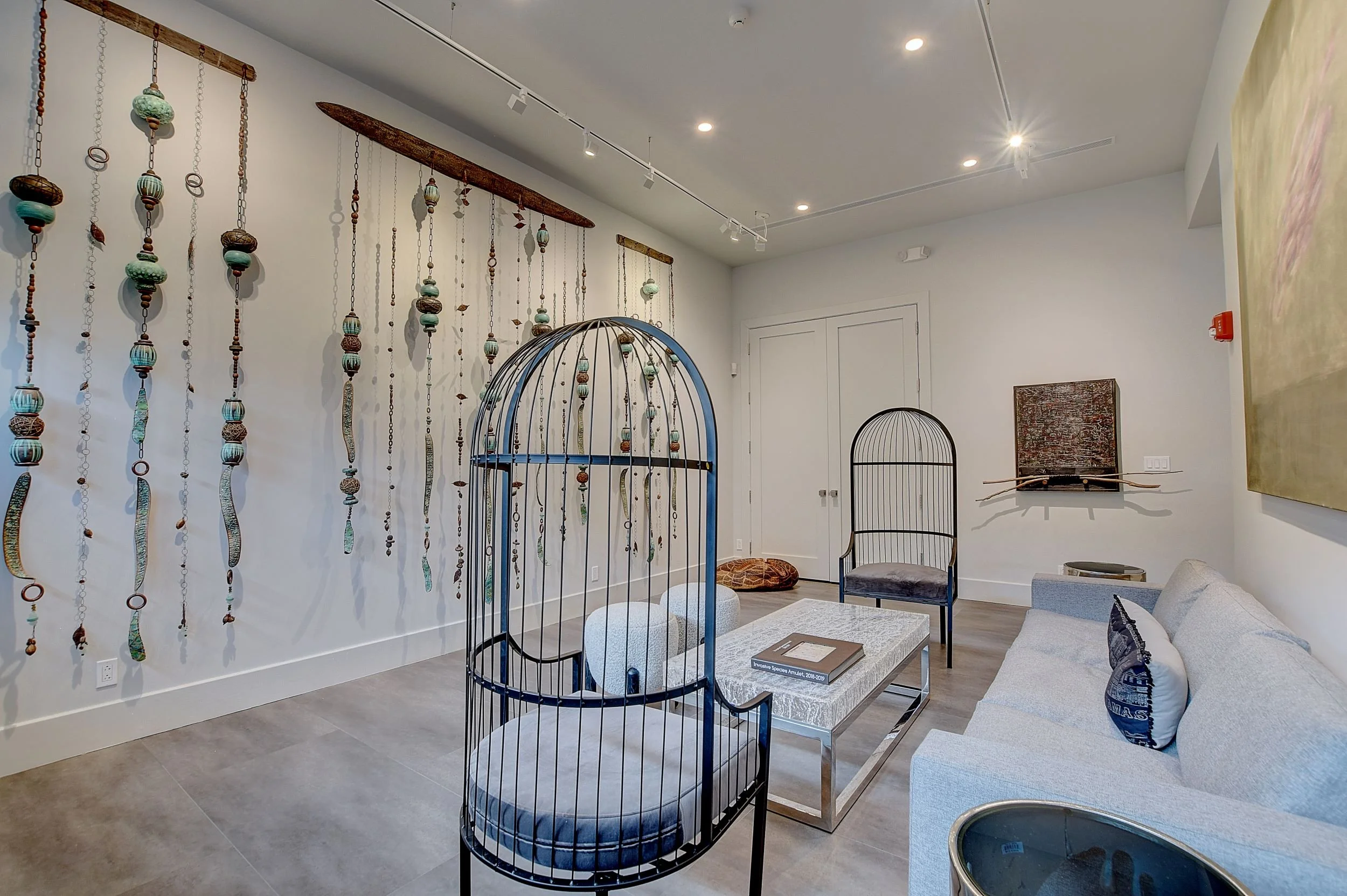
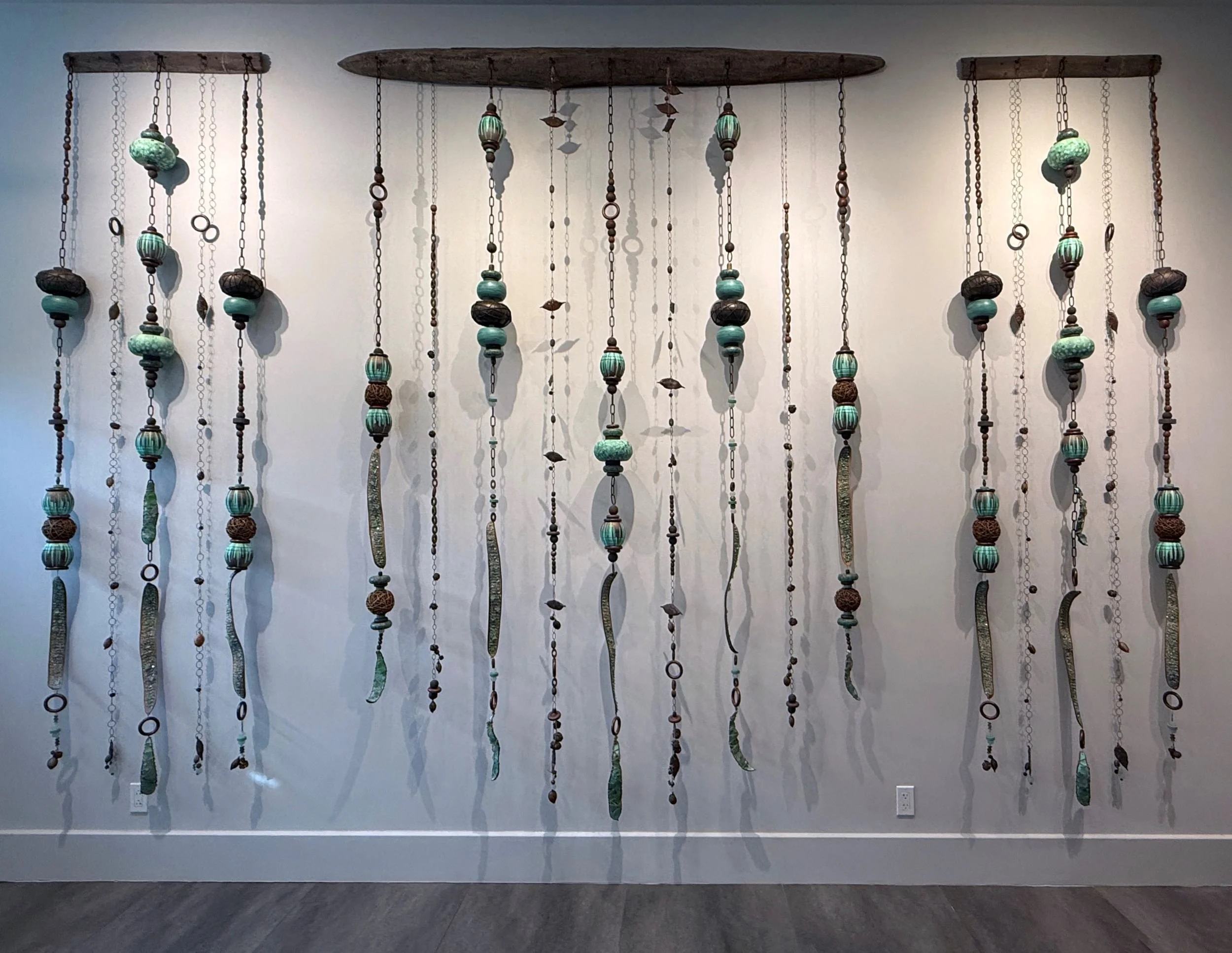
Invasive Species Amulet
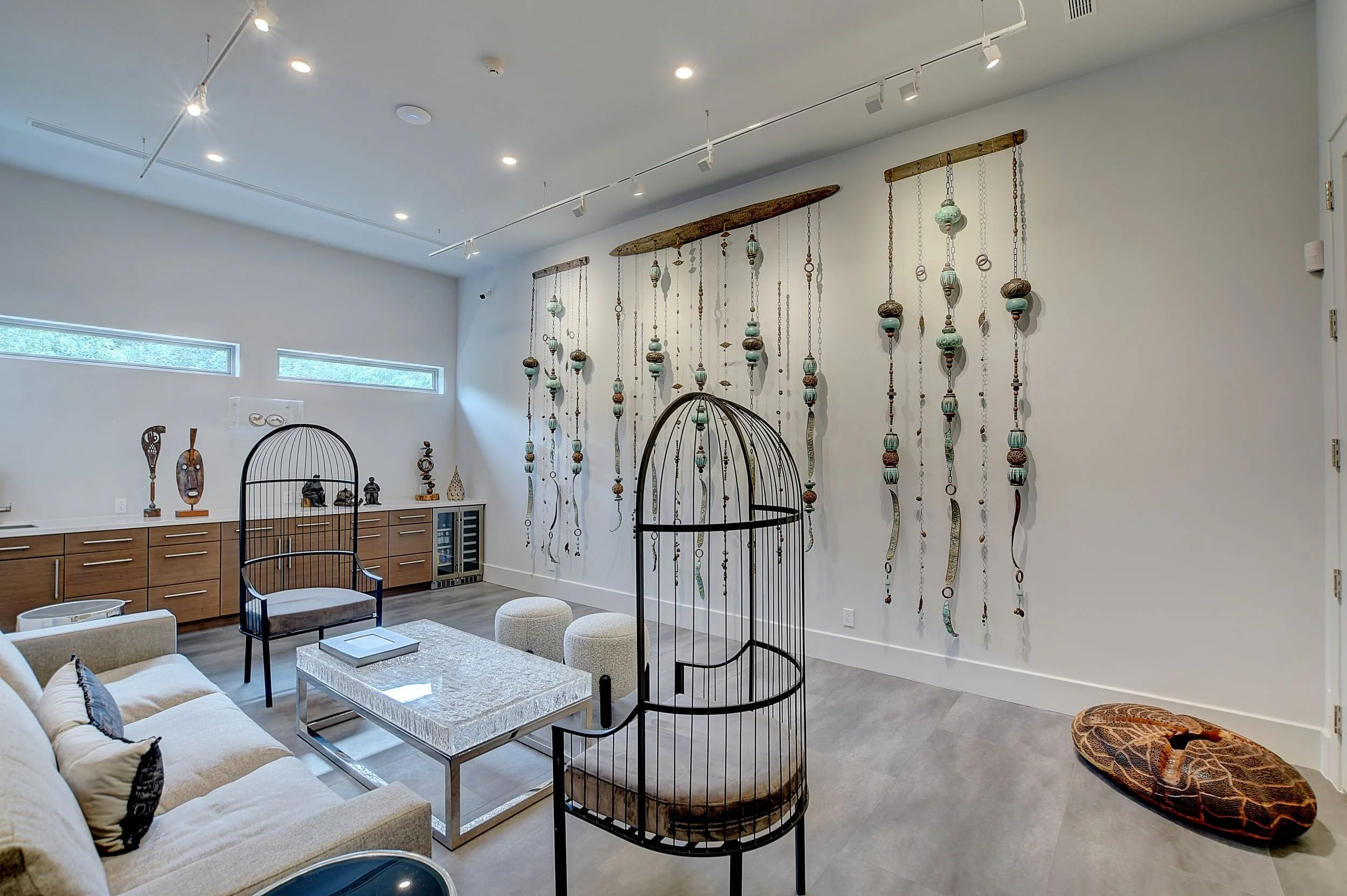
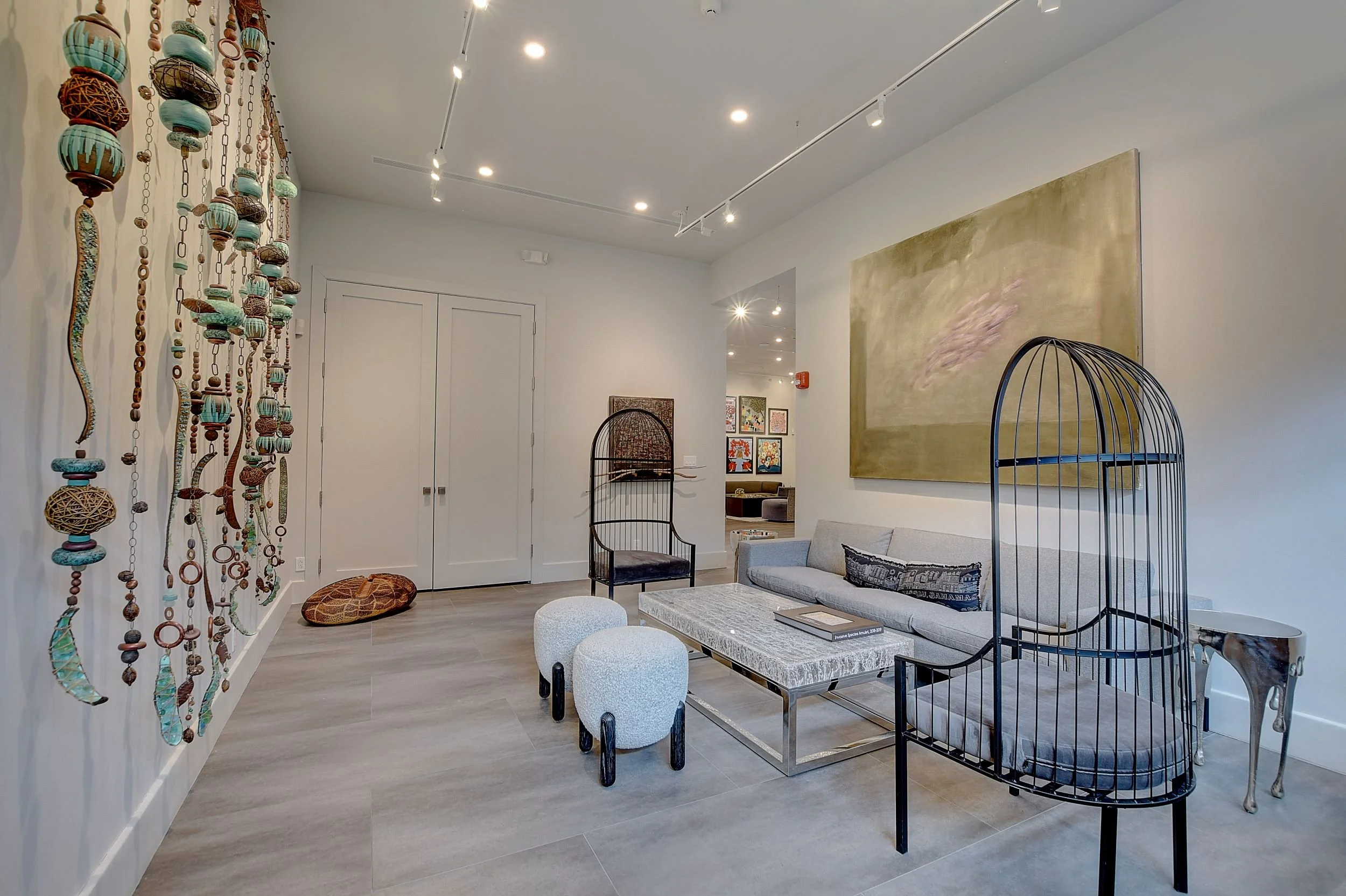
Invasive Species Amulet by Saskia D’Aguilar (2018)
Saskia D’Aguilar’s Invasive Species Amulet (2018) uses driftwood, sea glass, and Poinciana pods to confront the politics of immigration and belonging, drawing on Elie Wiesel’s reminder that “no human being is illegal.” Monumental in scale, the work likens immigrant peoples to plants labeled “invasive,” whose ability to adapt and flourish despite resistance becomes a metaphor for resilience. Embedded with the fingerprints of non-nationals she has personally assisted, the piece bridges her activism with her art, transforming frustration with bureaucracy into a visual protest against exclusion. At once a warning and a celebration, the amulet calls viewers to recognize the inherent worth of every human life, suggesting that, like the brilliant bloom of the Poinciana each summer, immigrant communities bring beauty and vitality that should be cherished rather than feared.